All Categories
Featured

Optimizing Enterprise Engagement Via Validated Performance Data
Table of Contents
Marketing has never been a static discipline. As we move into 2026, the speed of change is no longer driven by flashy brand-new platforms or viral tactics. Rather, development is increasingly formed by how well businesses understand their consumers, structure their marketing systems, and connect every strategy back to quantifiable business results.
Marketing Trends for 2026: Development Is Developed on Connected Systems, Not Separated Methods Among the most crucial changes heading into 2026 is a relocation far from disconnected marketing activities. Pushing material out on social networks, sending out a periodic email blast, or running ads without a larger picture method typically results in inconsistent outcomes.
A connected system normally consists of: A clear entry point (advertisements, search, referrals, social, events) A method for capturing contact information Continuous education and nurturing A clear conversion course Follow-up and retention touchpoints Instead of asking, "What should we attempt next?" companies are asking, "How doesmarketing fit into our total growth engine?" This shift reduces lost effort andincreases the return on every marketing activity.
[target2:anchor_exact1]First-partyinformation you collect straight from your clients and potential customers becomes thefoundation of marketing success. This includes: Email addresses Contact number Website habits through analytics and similar tools Purchase history Questions forms Survey reactions Why this matters for expanding your consumer base: First-party data enables you to interact directly with people who have actually currently revealed interest.
Key Sector Growth Analysis in the Next Year
Organizations that actively grow and handle their contact lists tend to see: Lower customer acquisition costs Higher retention rates More repeat business Collecting information is no longer optional. It is infrastructure. And as an owned possession (one you do not have to pay to utilize, unlike marketing), there is a clear monetary incentive to tap this resource.
In 2026, growth-oriented organizations are concentrating on mapping and connecting the entire consumer journey. A typical journey consists of: Consideration (How they find out and examine) Choice (How they choose to purchase) Post-purchase experience Repeat engagement When these phases are not purposefully created, consumers may: Feel puzzled about next actions Drop off before converting (e.g.
In 2026, developed small companies can't afford to think where they are losing prospective customers. Seo remains a major client acquisition channel, but the technique is changing. Rather than chasing after private keywords, services are constructing subject authority. This Suggests: Picking core topics straight related to services Publishing multiple pieces that address related concerns Internally connecting content together Upgrading older material frequently Online search engine increasingly reward sites that demonstrate detailed understanding in specific locations.
Why Predictive Analytics Will Shape ROI for 2026
Artificial intelligence tools are now typical across marketing platforms. However, the most successful services utilize AI to accelerate execution, not change humandecision-making. Common reliable usages consist of: Drafting outlines and very first versions of content Generating numerous headline variations Summarizing information and reports Repurposing material into different formats What still requires human oversight: Brand voice Messaging priorities Deal advancement Consumer understanding Fact checking AI helps teams utilizing it move quicker, but strategy stays human-led.

Rather of only trying to draw in more visitors, services are optimizing: Landing page layout Headline clearness Calls to action Type length Page load speed Mobile experience Even little enhancements in conversion rate can significantly increase earnings without increasing ad spend or content volume. Example: If 1 out of 100 visitors transforms, improving that to 2 out of 100 doubles results with the very same traffic and the very same ad spend.
Customers are more cautious than ever. Before reaching out or acquiring, they look for proof. Effective trust signals consist of: Online examines Reviews with specifics Case studies Photos or videos of work Accreditations and associations Media points out These aspects decrease viewed threat and reduce the time it takes somebody to feel comfortable contacting you.
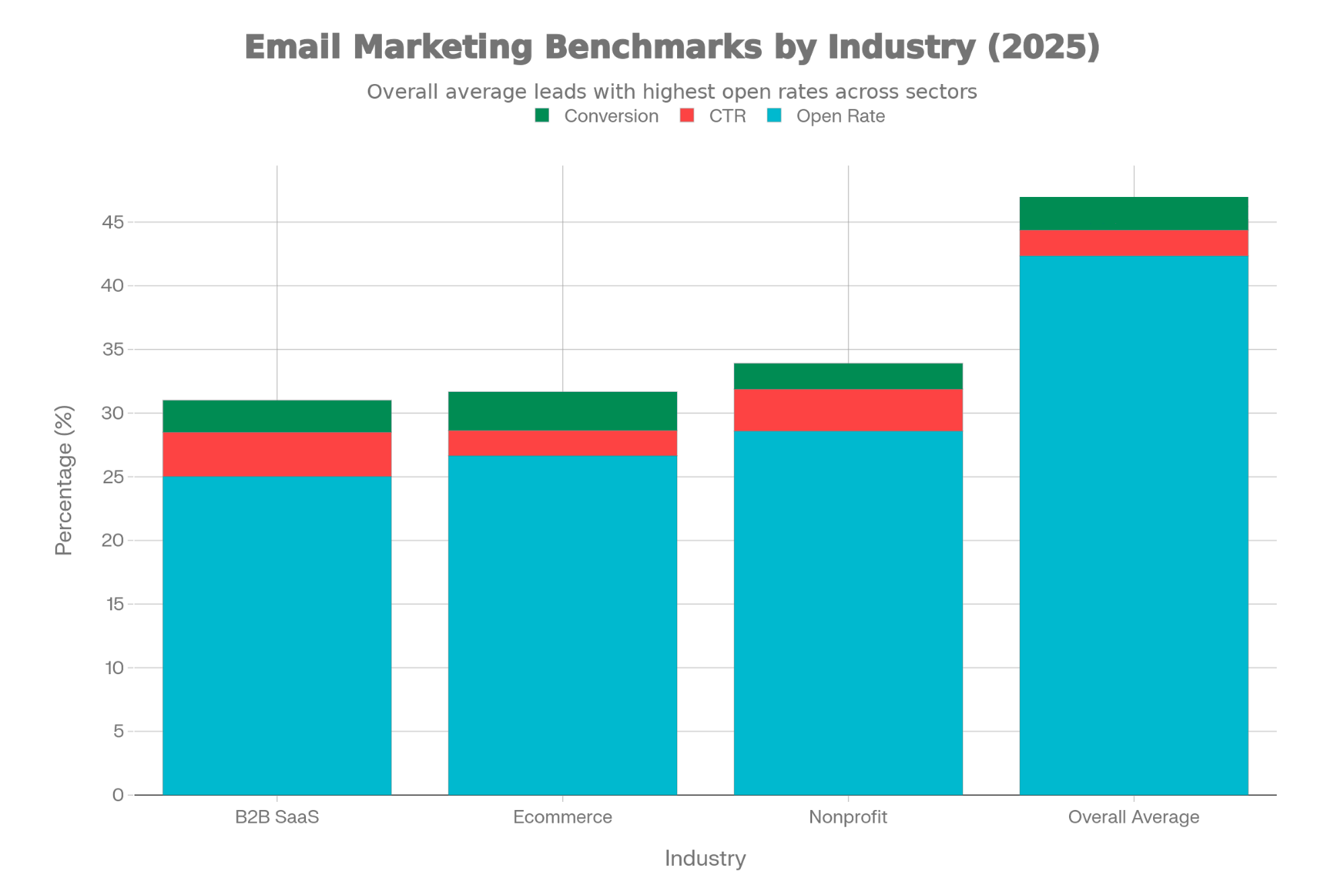
Email is no longer just for newsletters or promotions. In 2026, high-performing businesses utilize e-mail as: An onboarding channel for brand-new leads An education platform A retention tool A reactivation mechanism Automation plays a major function.
Deep Market Research to Build Strategic Advantage
Effective ads in 2026 concentrate on value-first offers, such as: Free evaluations Guides Webinars Consultations Samples or trials These deals permit potential customers to experience value before making a bigger dedication. Paid ads end up being entry points into a relationship instead of instant sales presses. Broadening your client base does not only mean getting new clients.
It's much easier and more cost-effective to keep a consumer than win new ones. Marketing in 2026 is no longer determined just by impressions or likes. It is (or need to be) determined by: Leads generated Conversion rates Income produced Return on advertisement spend (ROAS) Consumer lifetime value increases This shift requires better positioning in between marketing and general organization objectives.

Latest Posts
Real-World American Business Growth Stories

Maximizing PPC With Content ROI Through 2026 Trends
The 2026 Agency Growth Framework